
Renovating a Property in Costa Blanca, Spain: A Step-by-Step Guide for Homeowners
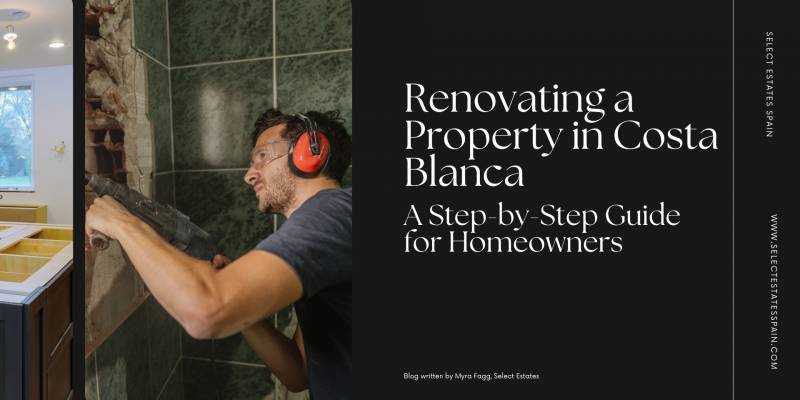
Many buyers searching for property in Costa Blanca fall in love with a home because of its location, views, plot size, or surroundings — not necessarily because of the property itself.
The good news? You can renovate a kitchen, modernise bathrooms, improve energy efficiency, or even completely transform a house. What you cannot change is the location, the sea view, the orientation, or the charm of the area.
This is exactly why many buyers choose a property with renovation potential. Not only can it become your dream home, but a well-planned renovation can also add significant value to your investment.
Whether you're considering a villa in Altea, a townhouse in Moraira, a traditional property in Jávea, or a renovation project in Calpe, understanding the renovation process is essential.
In this guide, we explain the key steps to renovating a property in Costa Blanca, Spain.
Step 1: Define Your Renovation Goals
Before requesting quotes or contacting builders, it's important to determine what you want to achieve.
Ask yourself:
- Is the property for permanent living or holidays?
- Do you plan to rent it out?
- Are you looking for a cosmetic update or a complete renovation?
- Do you want to improve energy efficiency?
- Are you hoping to increase the property's value?
Having clear objectives from the start will help determine your budget, timeline, and the professionals you may need.
Step 2: Check What Is Legally Possible
Not every property can be modified in the same way.
Before purchasing or renovating, it's important to verify:
- Whether the land is urban or rustic
- If extensions are allowed
- Whether a swimming pool can be added
- Local planning regulations
- Community rules (if applicable)
Some renovations only require a simple declaration, while structural changes may require technical projects and building licences.
Understanding these restrictions early can prevent costly surprises later.
What Type of Renovation Are You Planning?
Not all renovation projects are treated the same in Spain.
Generally speaking, renovations can be divided into two categories:
Minor Renovations
These are cosmetic improvements that usually do not affect the structure of the property.
Examples include:
- Painting
- Installing a new kitchen
- Replacing flooring
- Updating bathrooms
- Interior carpentry
- Replacing appliances
- Minor electrical or plumbing upgrades
In many cases, these projects require little or no formal approval, although local regulations can vary between municipalities.
Major Renovations
Projects that affect the structure, layout, or external appearance of a property generally require additional documentation and approval.
Examples include:
- Structural modifications
- Removing load-bearing walls
- Property extensions
- Building a swimming pool
- New terraces or outdoor structures
- Significant façade changes
- Roof modifications
These projects often require technical drawings, architectural plans, and approval from the local town hall.
Understanding the type of renovation you are planning is the first step in determining the permits, budget, and professionals required.
Step 3: Create a Realistic Budget
One of the most common mistakes homeowners make is underestimating renovation costs.
Besides construction work itself, you may need to budget for:
- Architect fees
- Technical reports
- Building licences
- Legal fees
- Utility upgrades
- Landscaping
- Furniture and decoration
It is also wise to keep a contingency budget of approximately 10–15% for unexpected expenses.
A realistic budget helps keep your project on track and avoids unnecessary stress.
Step 4: Assemble the Right Team
Once you have a clear vision and budget, the next step is building the right team around your project.
Depending on the scope of the renovation, you may need:
- A builder or construction company
- An architect
- A technical architect
- A lawyer
- A project manager
- An interior designer
For larger projects, it is often advisable to involve an architect early in the process. They can help translate your ideas into technical plans and determine what is legally possible before any work begins.
Many international buyers also choose to work with a lawyer or legal advisor to ensure all documentation is correct before applications are submitted to the local town hall.
At Select Estates, we regularly connect clients with trusted architects, builders, lawyers, and project managers throughout Costa Blanca, including Altea, Moraira, Benissa, Jávea, Calpe, Denia, Torrevieja, and the Murcia region. Having the right professionals from the beginning can save significant time, money, and stress throughout the renovation process.
Step 5: Prepare Your Project and Obtain the Necessary Licences
Before construction can begin, it is important to ensure all paperwork and approvals are in place.
For larger renovation projects, this often starts with an architectural project that clearly outlines the proposed works.
Depending on the municipality and the type of renovation, the process may include:
- Architectural drawings and technical reports
- Building licence applications
- Urban planning checks
- Structural assessments
- Approval from the local town hall
The exact requirements vary between municipalities, which is why local guidance can be extremely valuable.
Obtaining licences may take several weeks or even months, depending on the complexity of the project and the municipality involved.
Although this stage can sometimes feel time-consuming, proper preparation helps avoid delays, fines, or legal complications later on.
Step 6: Start the Renovation Process
Once licences are in place and contractors have been appointed, construction can begin.
A typical renovation follows these stages:
1. Demolition and preparation
2. Structural work
3. Plumbing and electrical installations
4. Windows and insulation
5. Flooring and interior finishes
6. Kitchens and bathrooms
7. Final decoration and landscaping
Regular communication with your contractor helps ensure the project stays on schedule and within budget.
Step 7: Upgrade for the Future
With increasing focus on sustainability and energy efficiency, many homeowners choose to include modern upgrades during renovations.
Popular improvements include:
- Double or triple-glazed windows
- Solar panels
- Improved insulation
- Heat pump systems
- Energy-efficient air conditioning
- LED lighting
These upgrades can lower energy costs, improve comfort, and increase the property's future resale value.
They may also help improve the property's Energy Performance Certificate (EPC) rating, which is becoming increasingly important across Spain.
Average Renovation Costs in Costa Blanca
Although costs vary depending on the location, materials, and complexity of the project, the following figures provide a general indication:
- Interior painting: €15–25 per m²
- New bathroom: €4,000–10,000+
- New kitchen: €8,000–25,000+
- Pool renovation: €5,000–20,000+
- Full property renovation: €500–1,200+ per m²
Obtaining multiple quotations is always recommended before making decisions.
Common Renovation Mistakes to Avoid
Many renovation projects encounter difficulties due to avoidable mistakes.
Common examples include:
- Failing to verify planning regulations
- Underestimating the budget
- Choosing contractors based solely on price
- Starting work before permits are approved
- Not accounting for future energy efficiency requirements
Proper preparation is often the difference between a successful renovation and a stressful experience.
How We Help Our Clients
At Select Estates, we don't just help clients find the right property.
We also connect buyers with trusted local professionals, including architects, builders, lawyers, project managers, and renovation specialists throughout Costa Blanca.
Whether you're purchasing a villa in Altea, a townhouse in Moraira, an investment property in Calpe, or a renovation project elsewhere in the region, having the right guidance can make the process significantly smoother.
Our goal is to help clients avoid common pitfalls and make informed decisions from the very beginning.
Final Thoughts
Many buyers spend months searching for the perfect property.
In reality, finding the perfect location is often more important than finding the perfect house.
A property with great views, a strong location, and renovation potential can often become a better investment than a fully finished home.
With the right planning, professional guidance, and realistic expectations, renovating a property in Costa Blanca can be one of the most rewarding ways to create your ideal home in Spain.
Thinking About Buying and Renovating in Costa Blanca?
Whether you're looking for a renovation project, a villa with potential, or simply want advice on the process, our team is happy to help.
Contact Select Estates to discuss your plans and discover the opportunities available throughout Costa Blanca.